Aesthetics of the Political is an on-going research that takes time to look at the critical language and forms of resistance in artistic works as a starting point for looking at the traces of colonialities in art-making. Realized in different forms of encounter 'Aesthetics of the Political' focuses on creating intimate, artist-to-artist conversations to reflect on how practitioners translate their ideas; the materials that they read, and their reflections on different political subjects—into artistic form. Over time, the idea is to form a lexicon of artistic languages, and an archive of the works of practitioners from different parts of the world, that respond to hegemonic power, as well as the social, political and economic systems that produce inequalities in different contexts around the world.
In collaboration with SoundImageCulture (2020/2021), KANAL-Centre Pompidou Brussels (Jan 2021), KASK (Mar-Sep 2021). Co-produced by Kunstenwerkplaats. Supported by VGC, SCAM, SABAM for Culture, OMAM/MSH, Chair Mahmoud Darwich, BOZAR, Pianofabriek, and Beurschouwburg. Design by Mirim Hempel. Post production by Jean-François Ruttens.
|
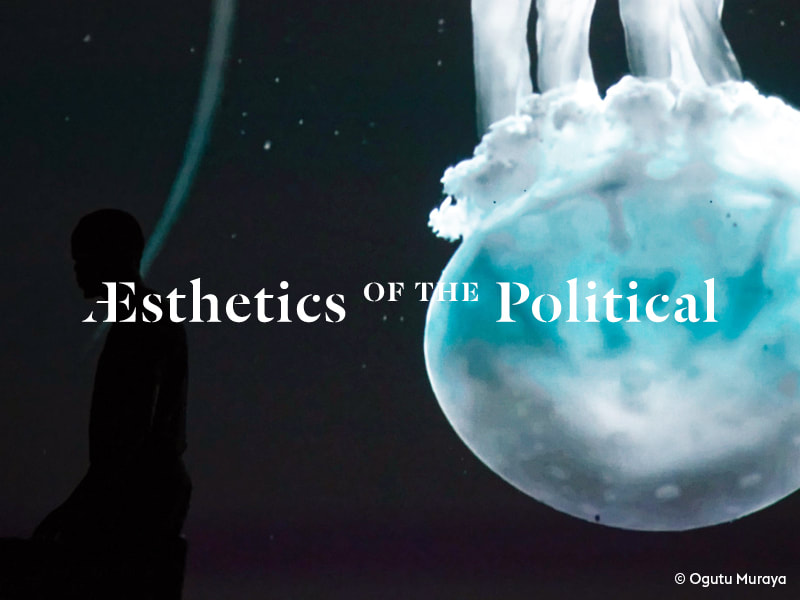
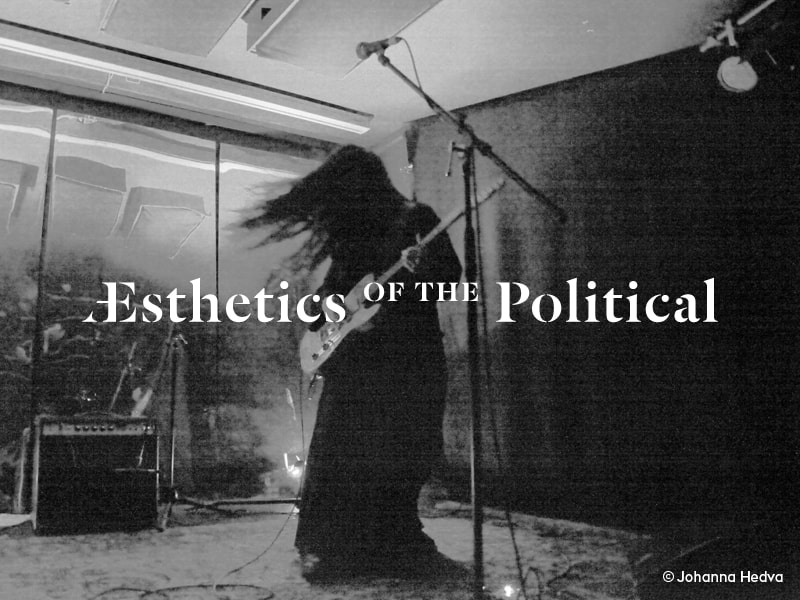
(October 2021) Ogutu Muraya describes his work as an ongoing symbiosis between reading, writing, and publishing as staging, where chapters of any given project are released through different means of meeting with an audience. The political and aesthetic choices in his work are shaped by the core question: How to narrate complexity? We explore this by re-visiting his works "How do you observe a stone that is about to strike you?” (2021) and "The ocean will always try to pull you In" – a work of fiction exploring the loss of the imaginary/bankruptcy of the imagination and is based on the Comoros Archipelago. This conversation was recorded in collaboration with Shila Anaraki (June 2020) Johanna Hedva from Korean and America, is a writer, artist, musician, and astrologer, who was raised in Los Angeles by a family of witches, and now lives in LA and Berlin. Hedva’s practice cooks magic, necromancy, and divination together with mystical states of fury and ecstasy. There is always the body — its radical permeability, dependency, and consociation — but the task is how to eclipse it, how to nebulize it, and how to cope when this inevitably fails. Ultimately, Hedva’s work, no matter the genre, is different kinds of writing, whether it’s words on a page, screaming in a room, or dragging a hand through water.
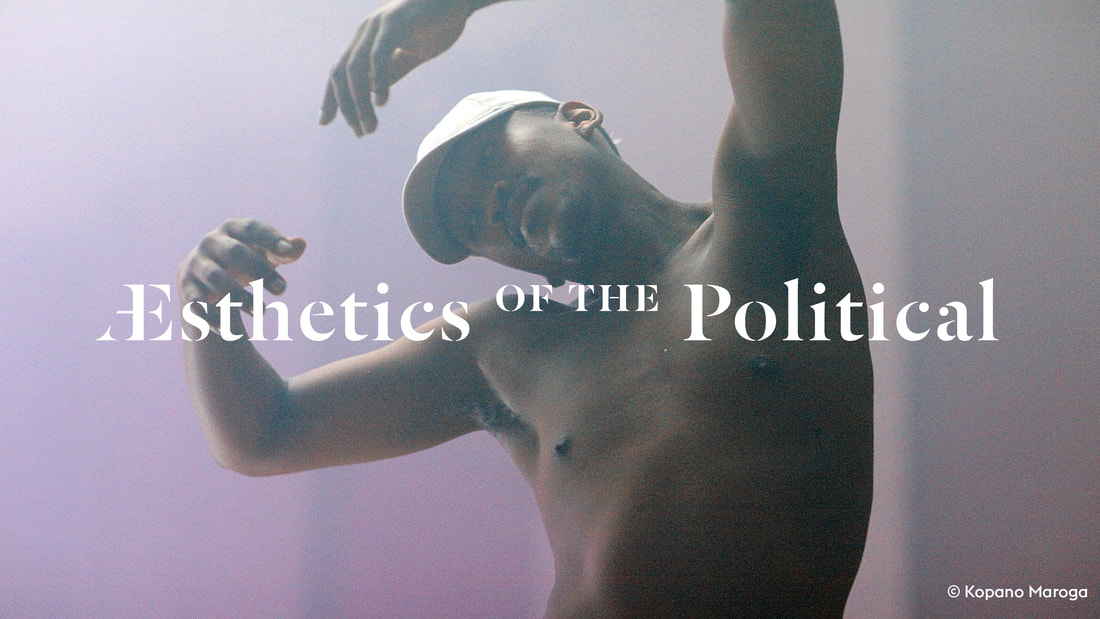
(June 2020) In Conversation with Kopano Maroga as we explore one long performance piece titled Jesus Thesis and Other Critical Fabulations (2019-2020). The piece is realized as a performance and an anthology of poems, that question the place of the queer body in contemporary social spaces, while digging into the representations of the body in art and spiritual histories.
This conversation was recorded in collaboration with Shila Anaraki. |
|
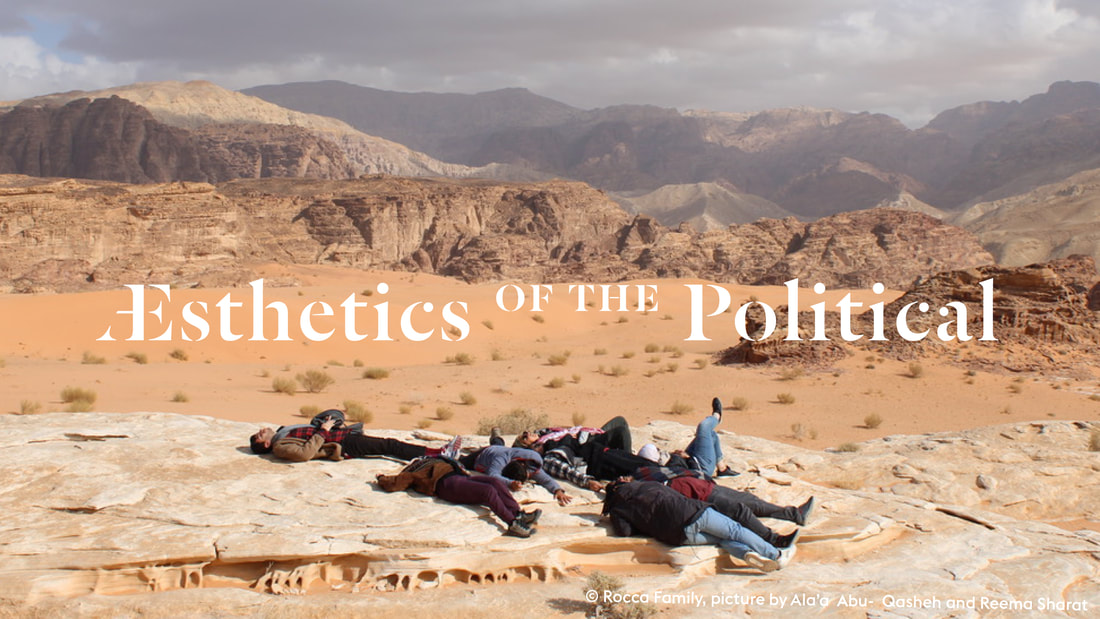
(June 2020) In conversation with Ola El Khalidi and Diala Khasawnih of The Rocca Family. Together they take us through the development of their collaborative practice that is guided by humour and the affirmative approach of إمبَلى فلسفة (yes [to] philosophising) as a tool for criticality. Currently focused on The Zizi School, the Rocca Family take inspiration for these collective experiences from their feline friend Rocca, and Zizi, the celestial body that sometimes makes appearances to shake things up a little. The family use folkloric habits, and traditional magic to step away from truth, making room for confusion and real life messes
This conversation is in collaboration with Shila Anaraki, and with the technical guidance and generosity of Razan Al Khatib in Amman. |
|
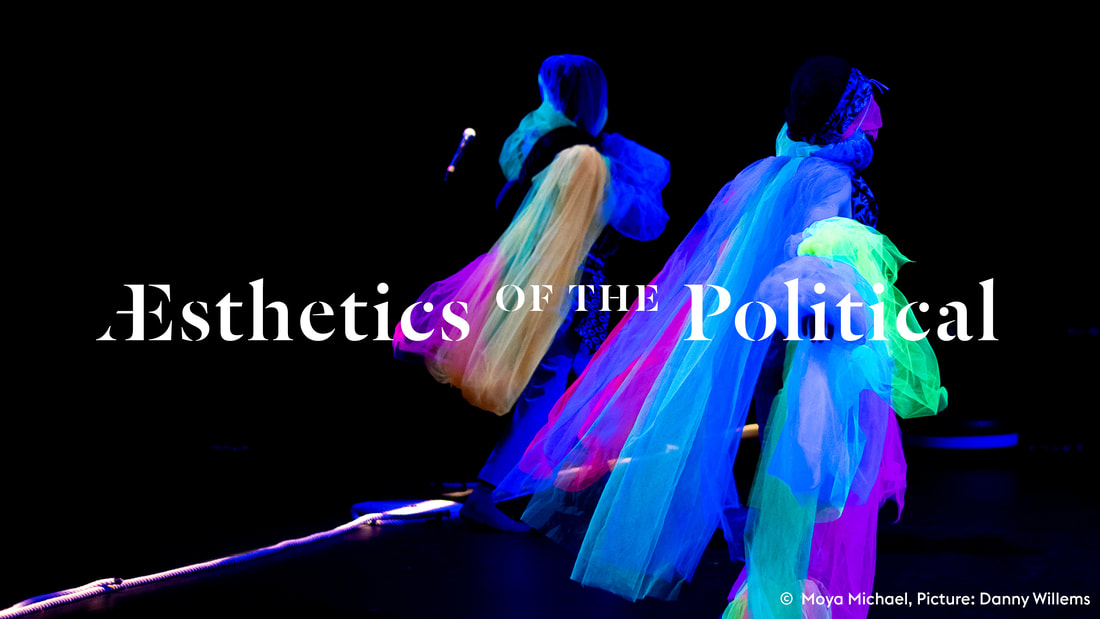
(April 2021) In conversation with Moya Michael from Belgium/South Africa. Moya is a dancer and a choreographer who creates hybrid performances in which she addresses how histories are inscribed into the body and identity making. In this conversation we focus on the development of her ideas in her performance trilogy Coloured Swan (2018-2020), Khoison, El Dorado, and Harriets' Remix, which explore 'performing the self' and question "whether or not 'colouredness’ in artistic expression is itself inherently political".
This conversation is in collaboration with Shila Anaraki |
|
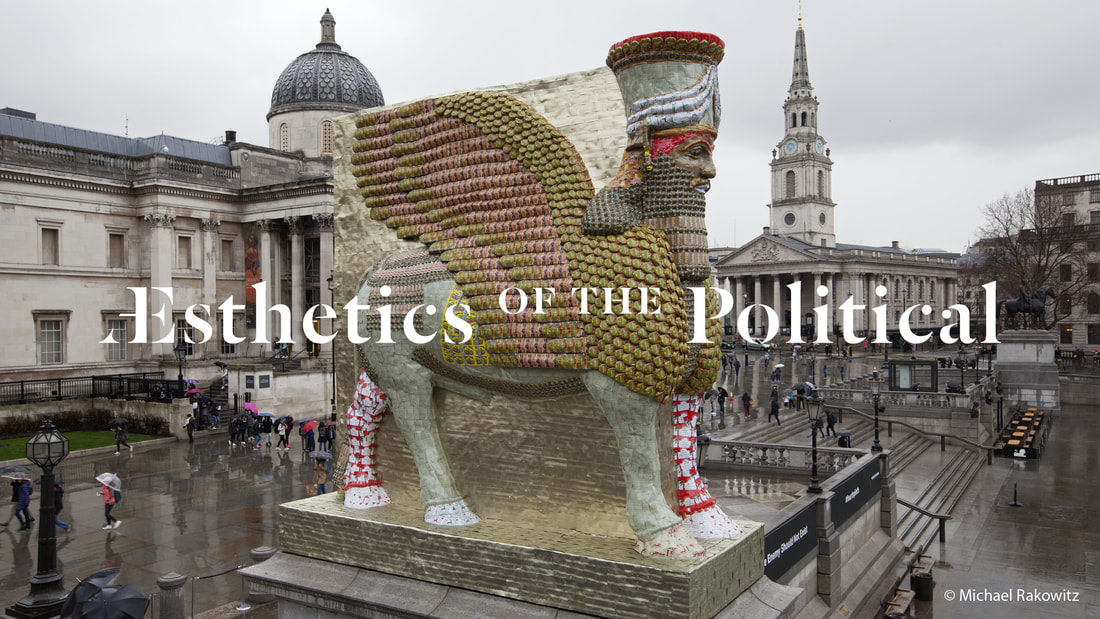
(April 2021) In conversation with Michael Rakowitz from the USA in which we connect the underlying concepts between The Ballad of Special Ops Cody (2017), A House and the with a Date Palm Will Never Starve (2019) and the ongoing series The Invisible Enemy Should Not Exist (2007-) to explore the violence that lingers around these looted Mesopotamian objects on display in western museums, that have been forcibly displaced from the places of origin, pointing to the different forms of historical and contemporary colonialities and the outcomes of western led wars around the world.
This conversation is in a collaboration with Shila Anaraki |
|
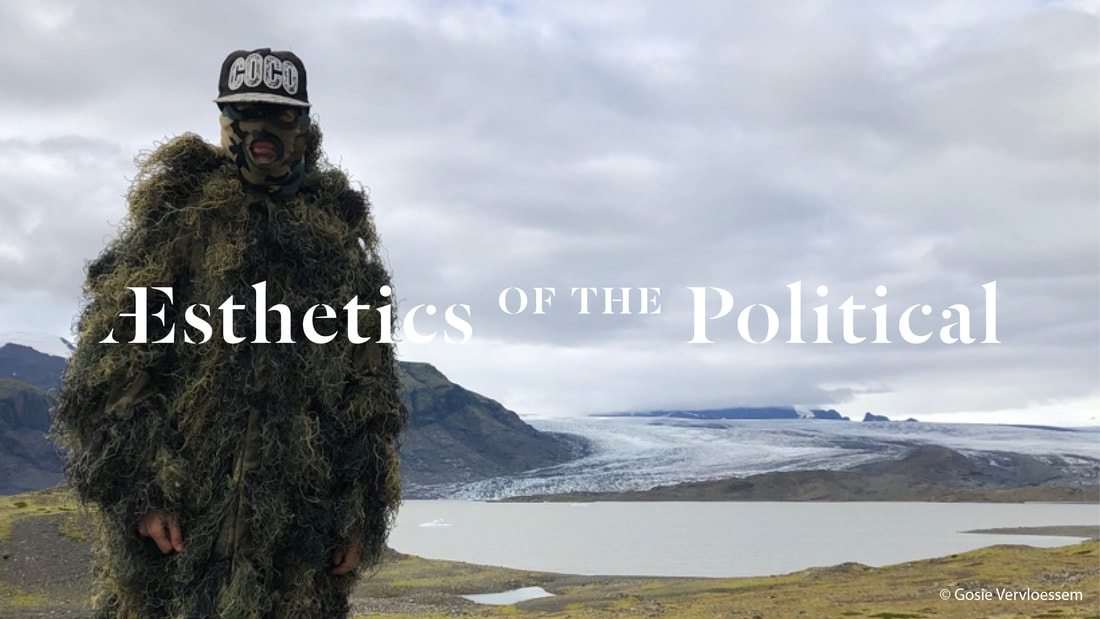
(recorded 2.2021) In conversation with Gosie Vervloessem from Belgium, and the discussion revolves around her work ‘If a Damaged Heart were to Photosynthetic’ (2020-ongoing) which involves a self-declared residency by squatting a ticket booth in the Royal Botanical Gardens of Brussels, and the video “Hush Hush the Bush” (2018), and her alter-ego ‘The Sick Detective’ (2012-ongoing) . These works explore our relationship to the plant worlds, while subversively revealing how nationalism and the colonial mind set are deeply entrenched in the way we relate to the living worlds around us.
|
|
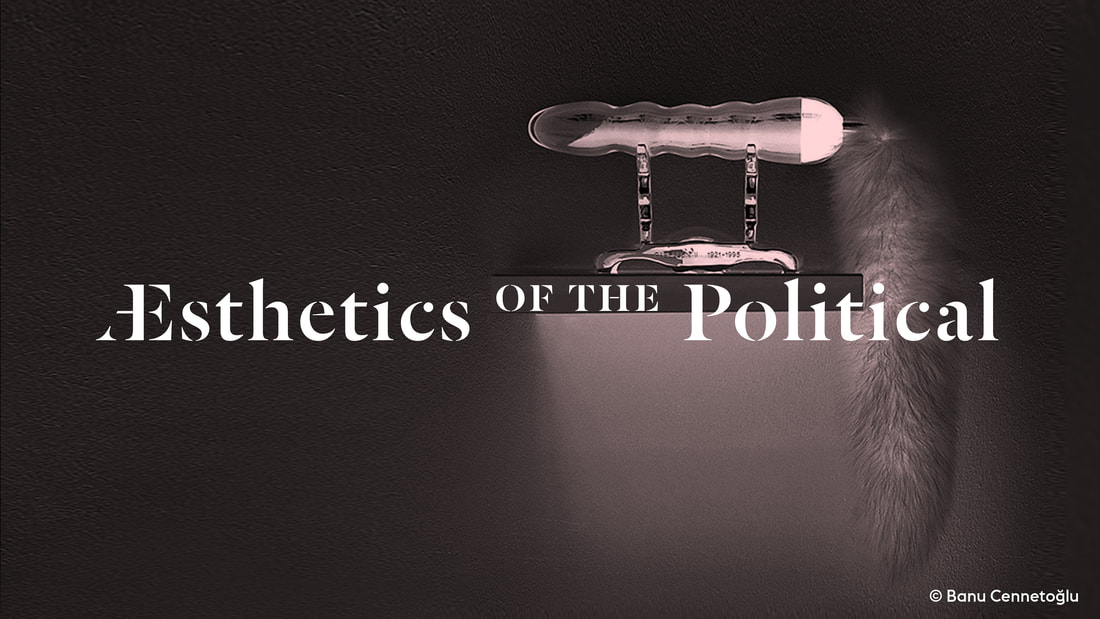
(Jan 2021) In conversation with Banu Cennetoğlu from Turkey, whose practice incorporates methods of collecting and archiving, and inquires into the politics of the production, classification, and distribution of knowledge. Their conversation navigates through her works Being Safe Is Scary(2017) The List (2006-ongoing), Gurbet’s Diary (27.07.1995–08.10.1997) (2016–17), and Pavilion II, Within Limits 1921–1995 (2010), to explore how she delicately balances her position in relation to the materials she is working with, and at the same time implicates the institutions who host her, to become stakeholders in the socially and politically pertinent issues that her works bring to the table.
|
|
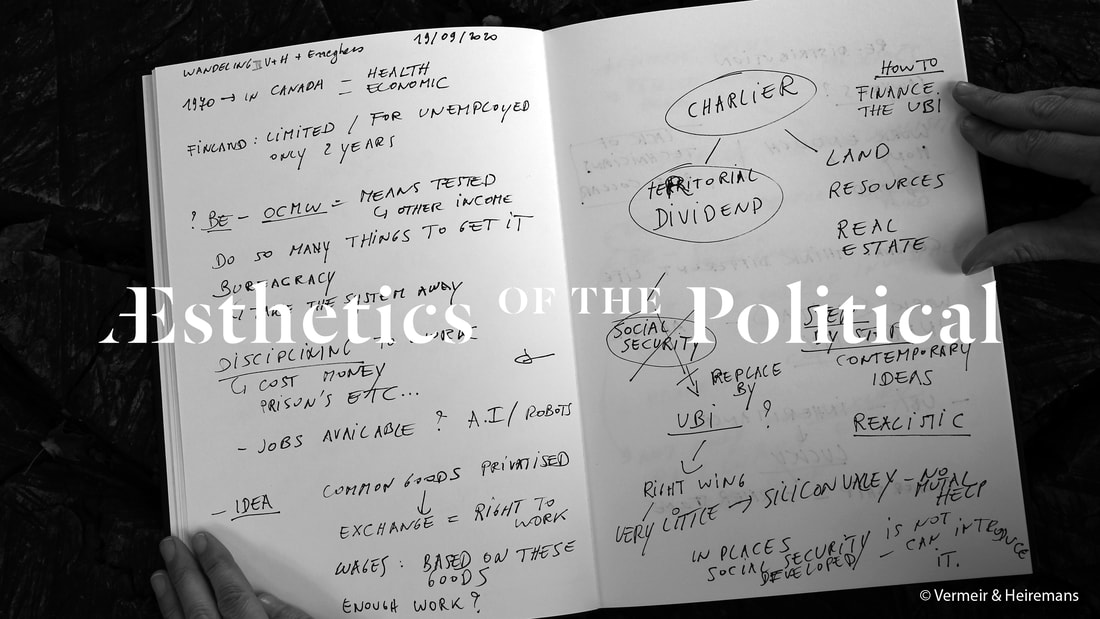
(Jan 2021) In Conversation with Katleen Vermeir and Ronny Heiremans, an artist duo whose works investigate the complex relationship between art, economy and the built environment in today’s highly globalised world. The conversation navigates between A Modest Proposal (In a Black Box) (2018), Who Owns the Water? To Whom Does Art Belong? (2020) and Art House Index (2006 ongoing), and together they reflect on how these works appropriate the codes and logics of the financial world to better serve the artistic community. They also discuss how their works transition from pieces for display in an exhibition, to more ephemeral engagements that create space and time for conversation towards fair practices in the arts.
|
|
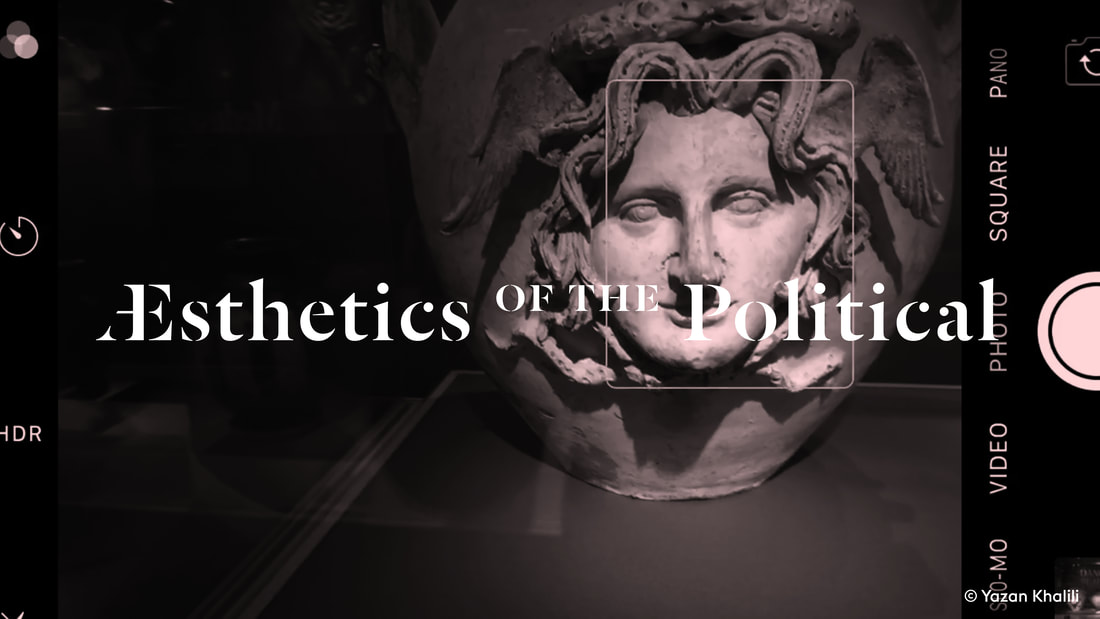
(Jan 2021) In conversation with Yazan Khalili about how he translates his position into an active critique of power in both his artistic and cultural work. The conversation takes I, The Artwork (2016) as a starting point for mapping out the terrain of critique he engages with, and moves on to explore The total Work of An Institution that framed his previous directorship of the Khalil Sakakini Culture Centre in Ramallah (2015-2019). Yazan reflects on how these experiences affect the projects he works on today including Radio Al Hara, and the idea of ‘non-artwork artist gift shop’ with the participants at the Rijksakademie in The Netherlands.
|
|
(June 19, 2021) A curated program of different encounters that takes time to look closely at the critical language, and forms of resistance in artistic work by presenting works and engaging in conversation with the artists on the choices they make in their work when dealing with politically charged materials and different forms of coloniality.
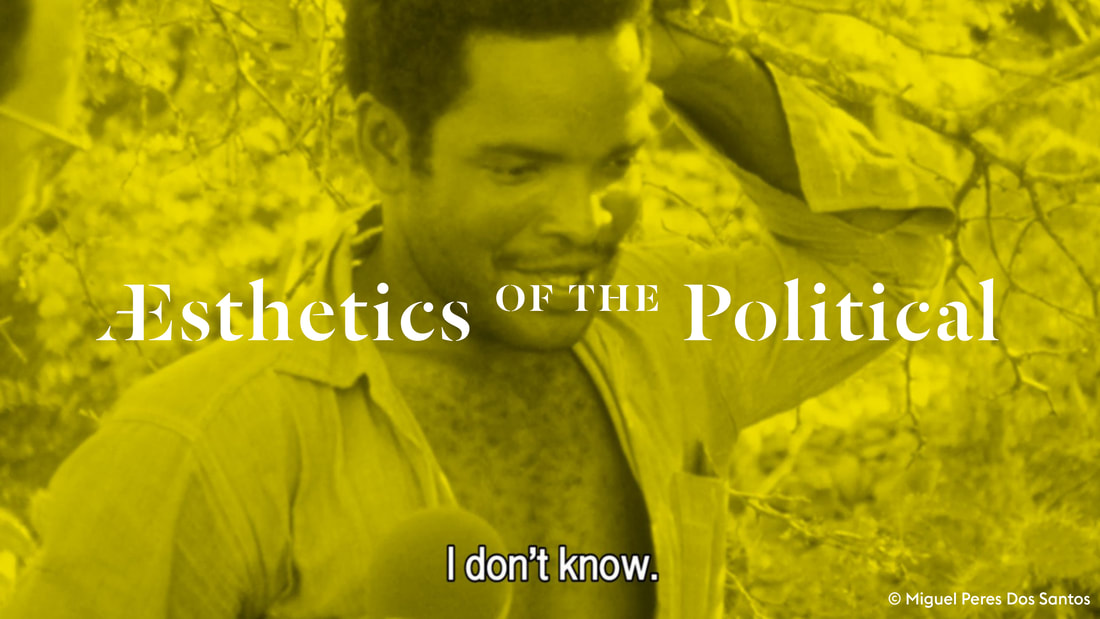
The program includes a dinner performance, film screenings and work in progress screenings with artistis Mirna Bamieh, Oraib Toukan, Maxime Jean-Baptiste, Miguel Peres dos Santos, Ogutu Muraya, Sandra Heremans and Sabine Groenewegen.
Present by, and in collaboration with SoundImageCulture. Program details here |
|
(July 2020) A conversation with Maxime Jean-Baptiste that takes form of a series of email exchanges where Maxime and I (Samah) begin to explore the question of the different forms of coloniality in producing and presenting out work reflect on the artists, writers, and poets whose work speaks back to coloniality, and how these inspire our work. The conversation weaves through the reflections on how our work is influenced by critical colonial and post colonial writers and poets, and how these inform our work.
Published on Recto Verso conversations-on-aesthetics-of-the-political |